Why Winter Is the Best Time to Protect Your Car Boot
- By Hatchbag Team
- 26 Jan 2026
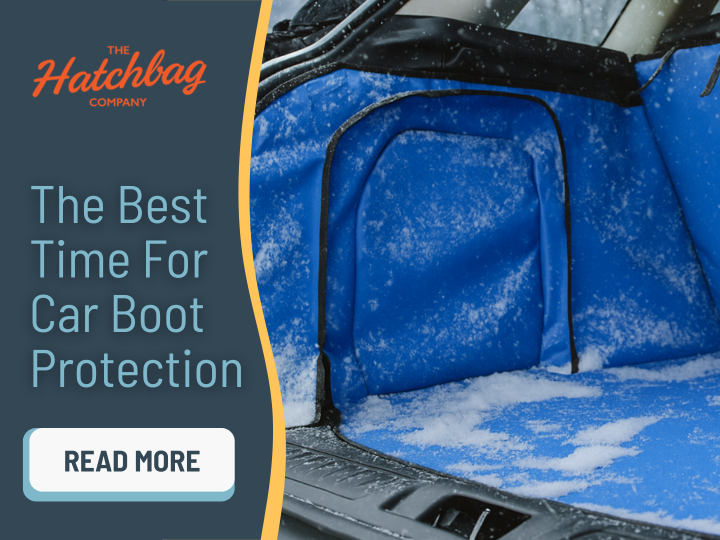
Winter in the UK is tough on cars. We're not talking about the odd cold snap; it's months of rain, mud, slush, and road salt. Your car boot takes the brunt of it all. Every dog walk, every football practice, every trip to the shops adds another layer of grime and moisture that slowly wrecks your interior.
Most people wait until there's visible damage before they do anything about it. By then, you're looking at stains that won't shift and smells that won't budge. Getting protection sorted now, before winter really hits, makes so much more sense.
Winter Weather and the Damage It Causes to Your Car Boot
British winter weather is relentless. It's not just about the cold; it's the constant damp, the endless mud, the rain that seems to go on for weeks. And all of it ends up in your car.
Rain-soaked shopping bags leak. Wet coats drip. Boots covered in mud get chucked in after a walk. Even when you try to be careful, moisture finds its way into your boot carpet. Once it's in there, it doesn't dry out properly. UK winters don't give you those crisp, dry days where everything airs out. It just stays damp, creating the perfect conditions for mould and mildew.
The temperature doesn't help either. Your car sits outside in freezing conditions overnight, then warms up when you start driving. This constant cycle of freezing and thawing means any moisture in your boot goes through the same process, working its way deeper into the carpet fibres each time.
Then there's the mess itself. Mud from fields and parks. Slush from car parks. Grit and salt from the roads. All of it gets tracked into your boot on shoes, on bags, on whatever you're carrying. Without protection, your boot carpet becomes a repository for everything winter throws at it.
How Mud, Snow, Salt, and Moisture Ruin Car Interiors
Let's talk about what actually happens when you let winter weather get at your boot carpet. It's not pretty.
Mud works its way into carpet fibres and just sits there. You can hoover it, brush it, even try to wash it, but it never quite comes out properly. The staining is permanent, and over time your boot carpet starts looking tired and brown, even if the rest of your car is spotless.
Salt is worse. Road salt isn't just messy; it's corrosive. It eats away at carpet fibres, breaking them down over the course of winter. By spring, your carpet's not just dirty, it's actually damaged. The texture changes, it feels rough, and the staining is even more obvious. This is the kind of damage that really affects your car's resale value.
Moisture and snow are the sneaky villains. They don't look like much when they first get in your boot, but they create problems that last. Wet carpet breeds mould. That mould brings that musty smell we all know and hate. Once it's established, you can't just air it out or spray some air freshener. The smell's there to stay unless you rip out the carpet entirely, which isn't cheap.
The combination of all these things means your boot ages much faster in winter than in any other season. One winter without protection can do more damage than years of careful summer use.
Why a Boot Liner Is Essential During the UK Winter
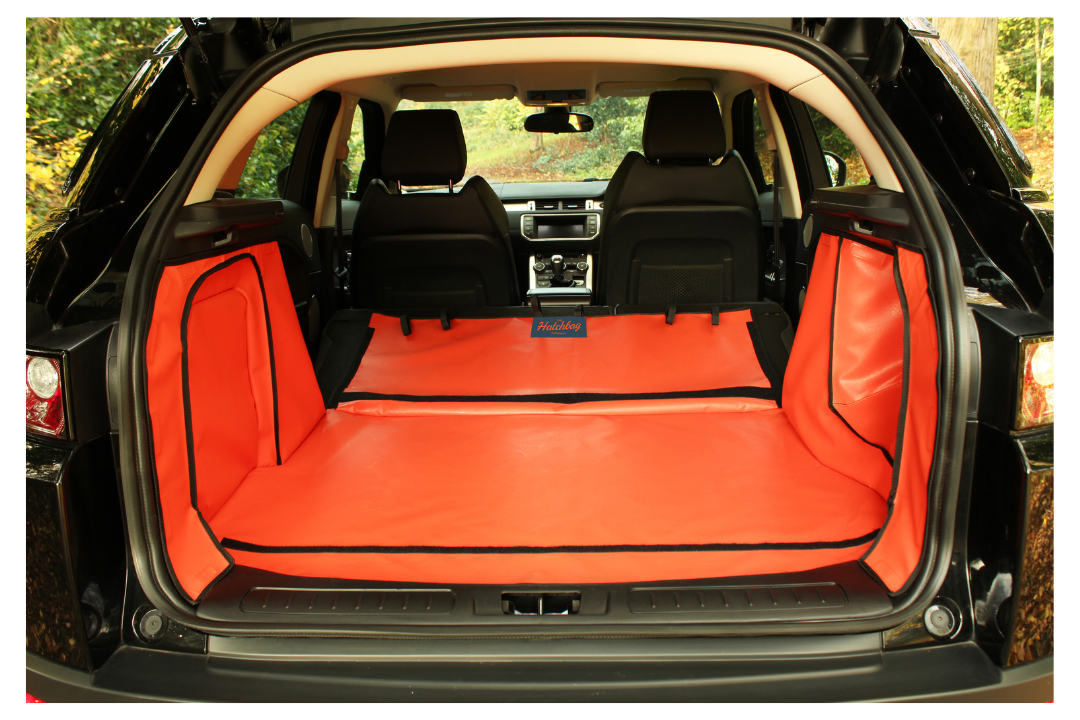
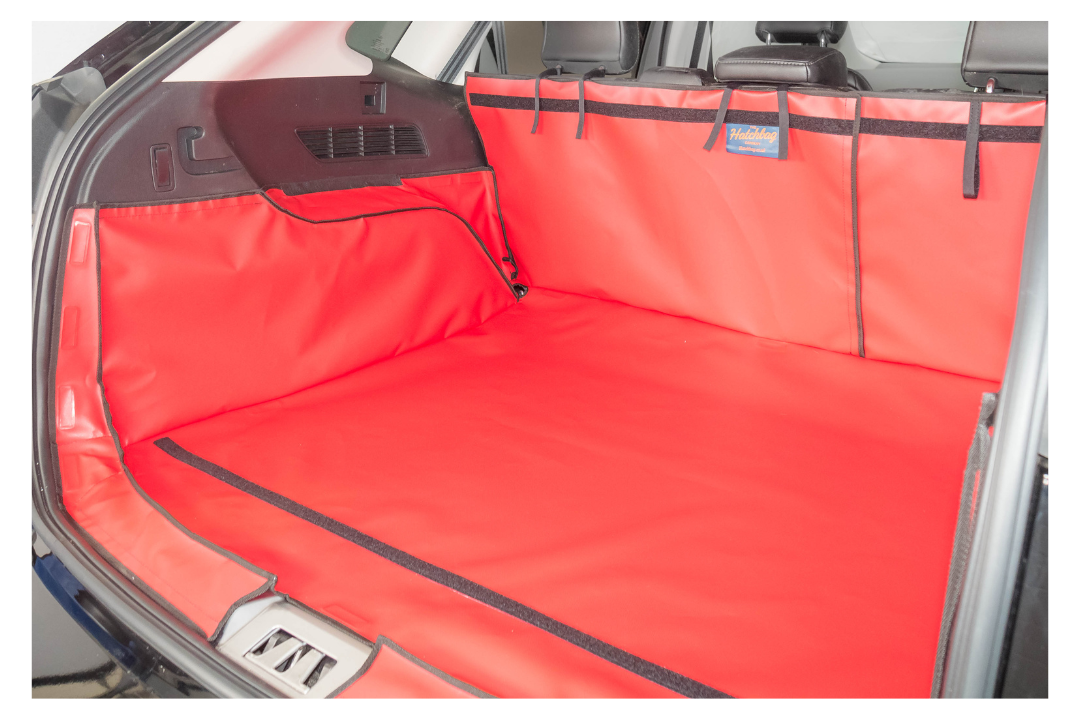
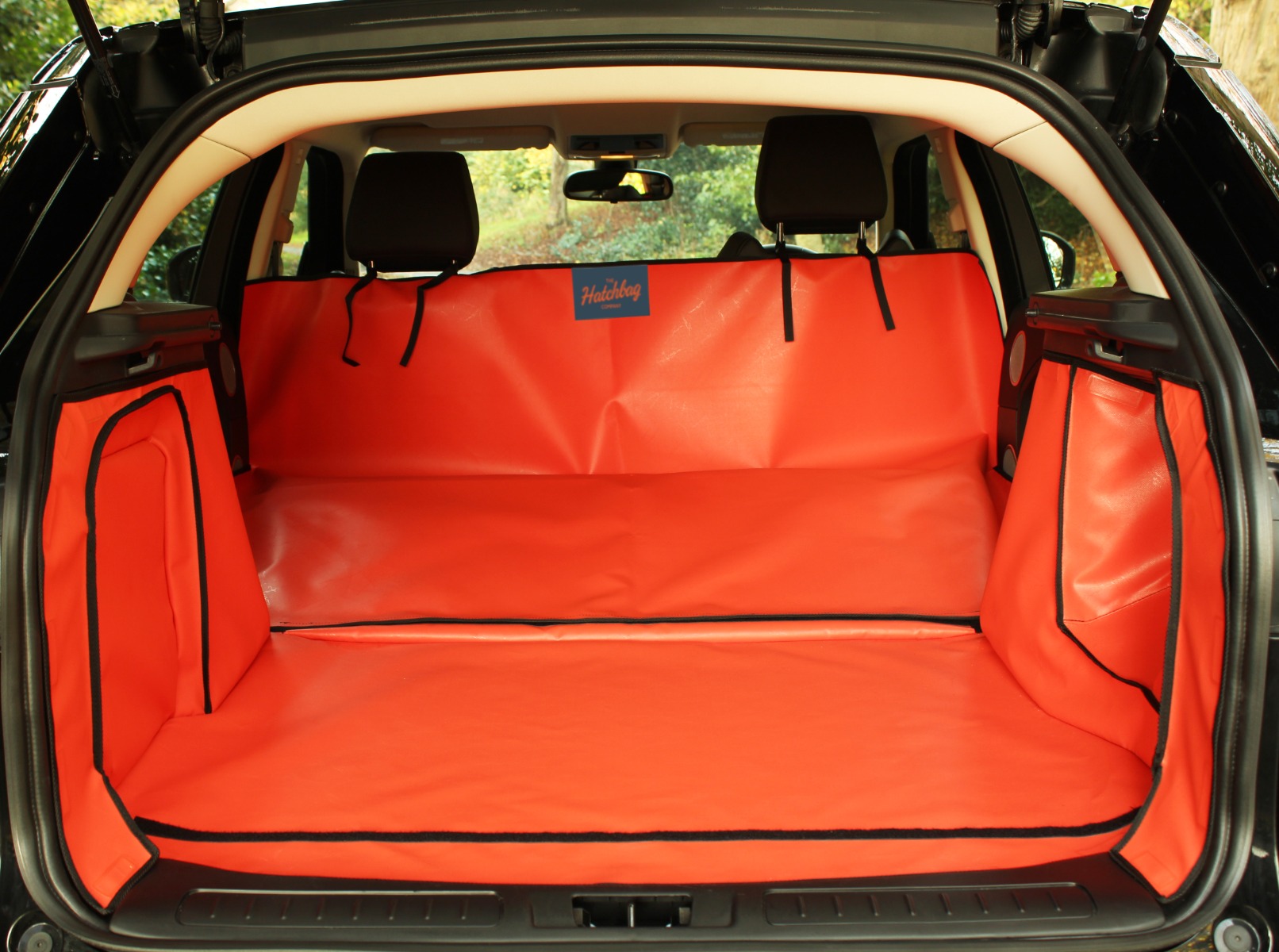
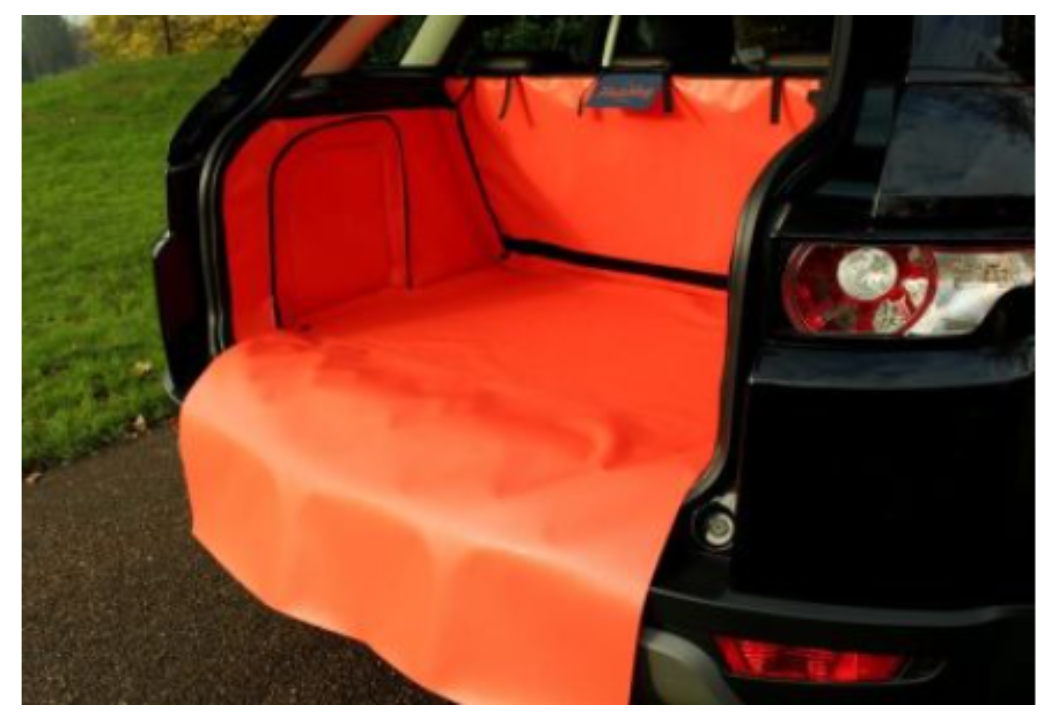
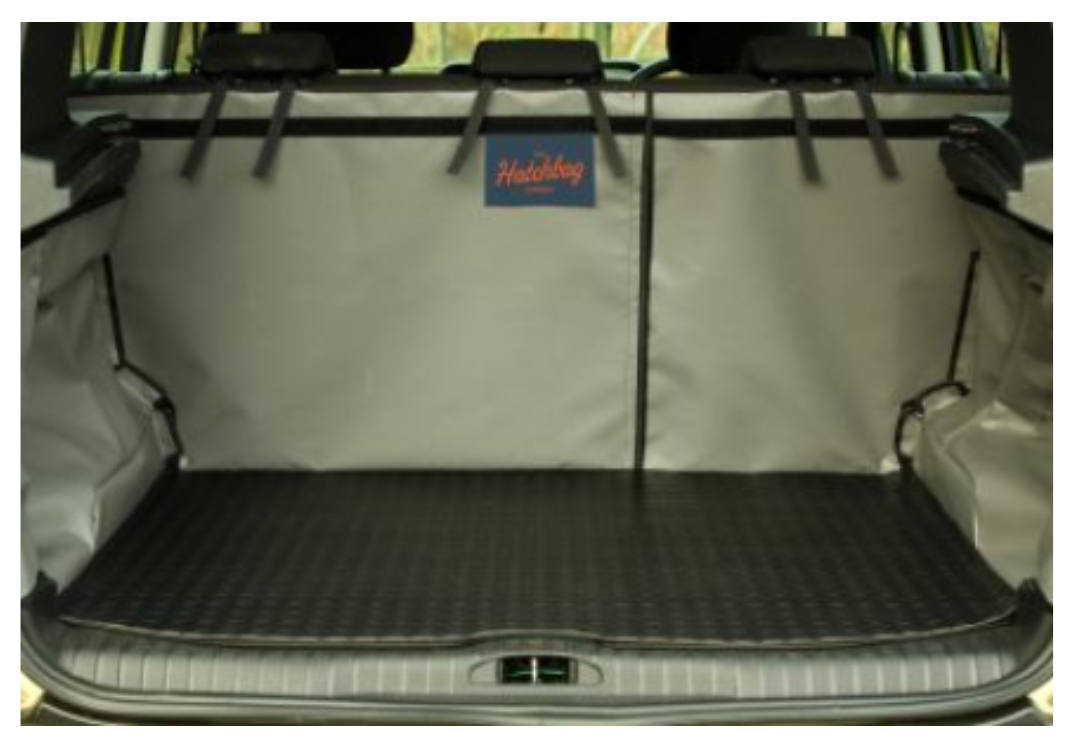
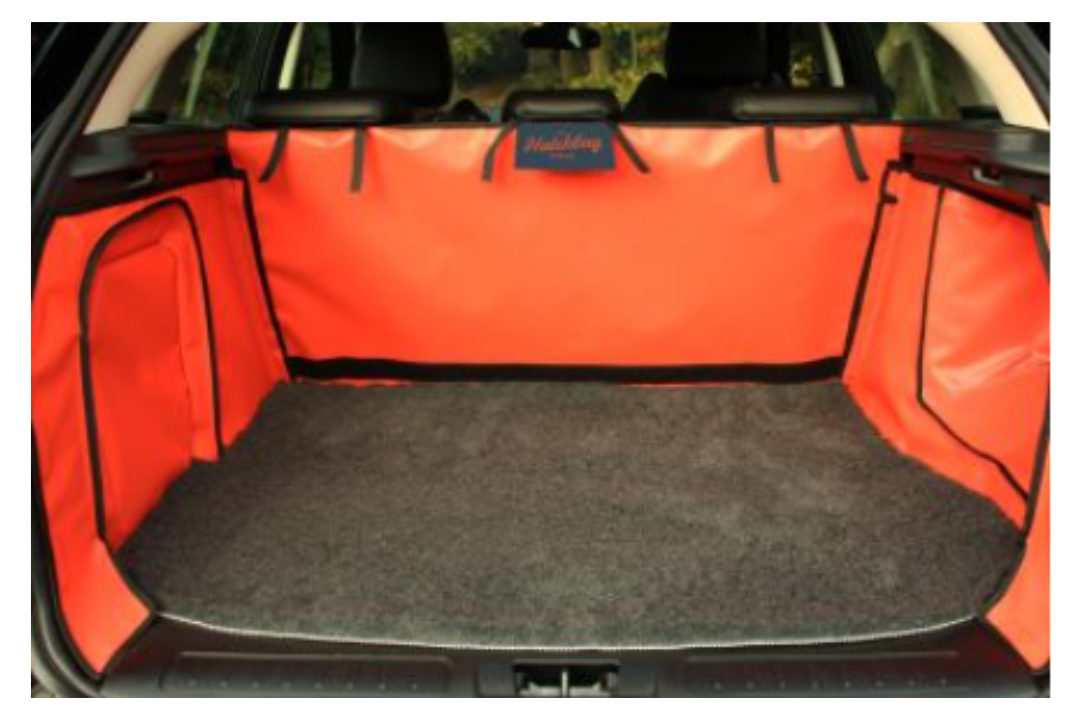
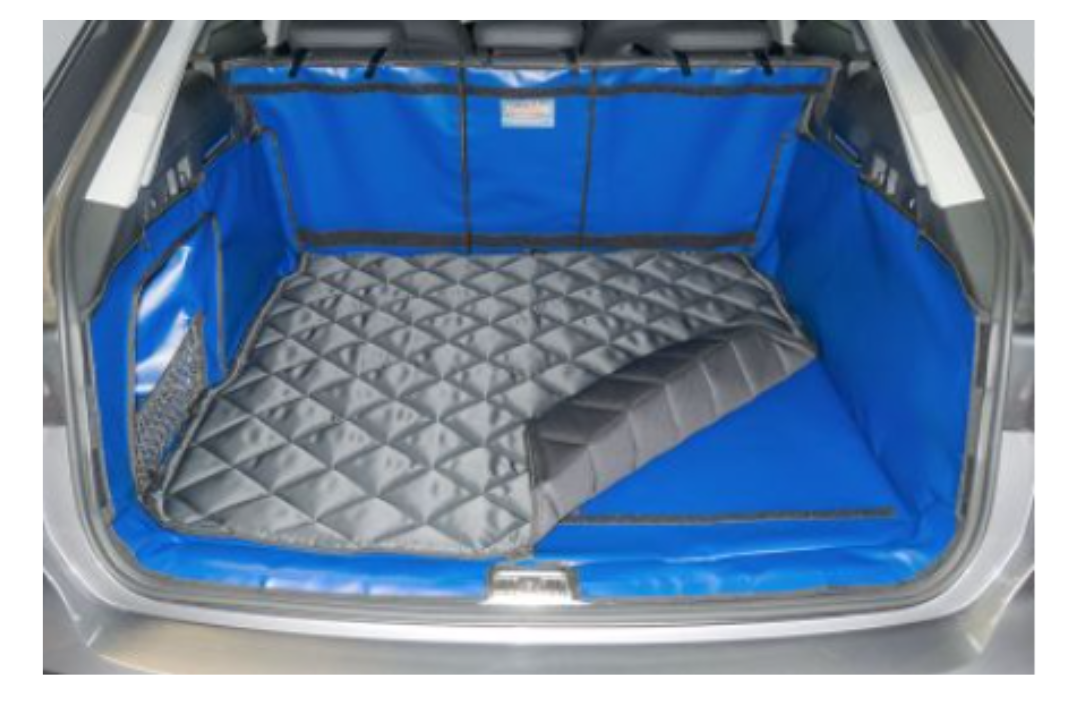
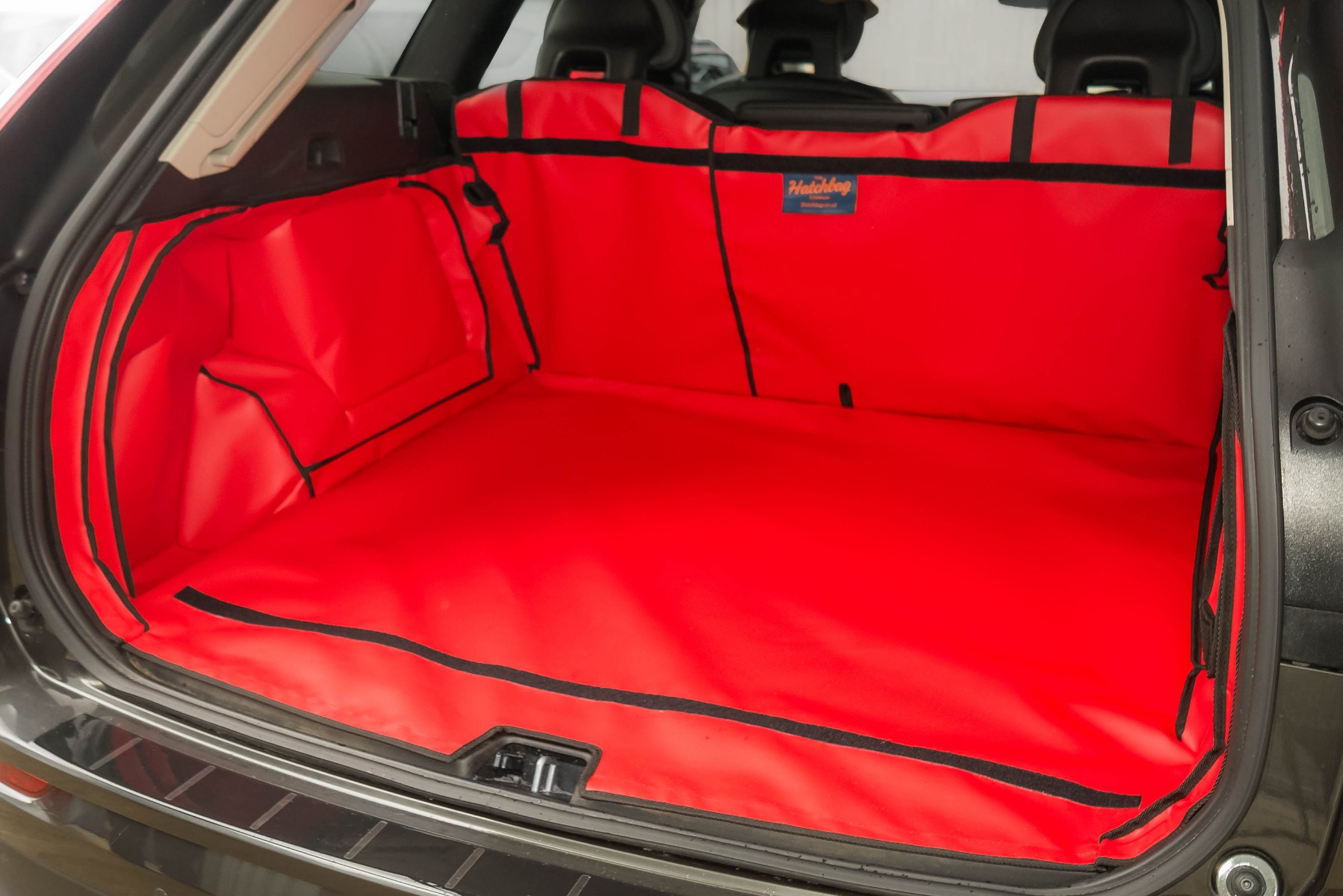
A boot liner isn't a luxury; it's the sensible choice if you actually use your car through winter. It creates a barrier between all that mud, salt, and moisture and your actual boot carpet.
The waterproof aspect is crucial. When you chuck wet shopping bags in after a rainy trip to Tesco, or when your dog jumps in after a muddy walk, that moisture hits the liner instead of soaking into your carpet. It stays on the surface where you can deal with it properly, rather than seeping in and causing long-term problems.
Cleaning becomes straightforward. With a boot liner, you're not spending your Sunday afternoon trying to get mud out of carpet. You wipe down the liner, maybe give it a proper clean with some soapy water if it's particularly mucky, and you're done. Ten minutes instead of hours.
The protection against salt is particularly valuable. Because the liner covers your boot completely, salt never touches your carpet. It can't corrode the fibres, can't leave those white crusty marks, can't do any of the damage it would normally cause. When spring arrives, your boot's still in the same condition it was in autumn.
A good boot liner also stops odours becoming a problem. Because nothing can soak through, smells can't embed themselves in your car. A quick wipe removes whatever was causing the smell in the first place, rather than having it become a permanent feature of your vehicle.
Protecting Your Boot from Pets, Sports Gear, and Winter Equipment
Winter isn't just about the weather; it's about how you use your car. Dog walks are muddier. Sports practices are wetter. Shopping trips involve more bags and more mess. All of it puts extra strain on your boot.
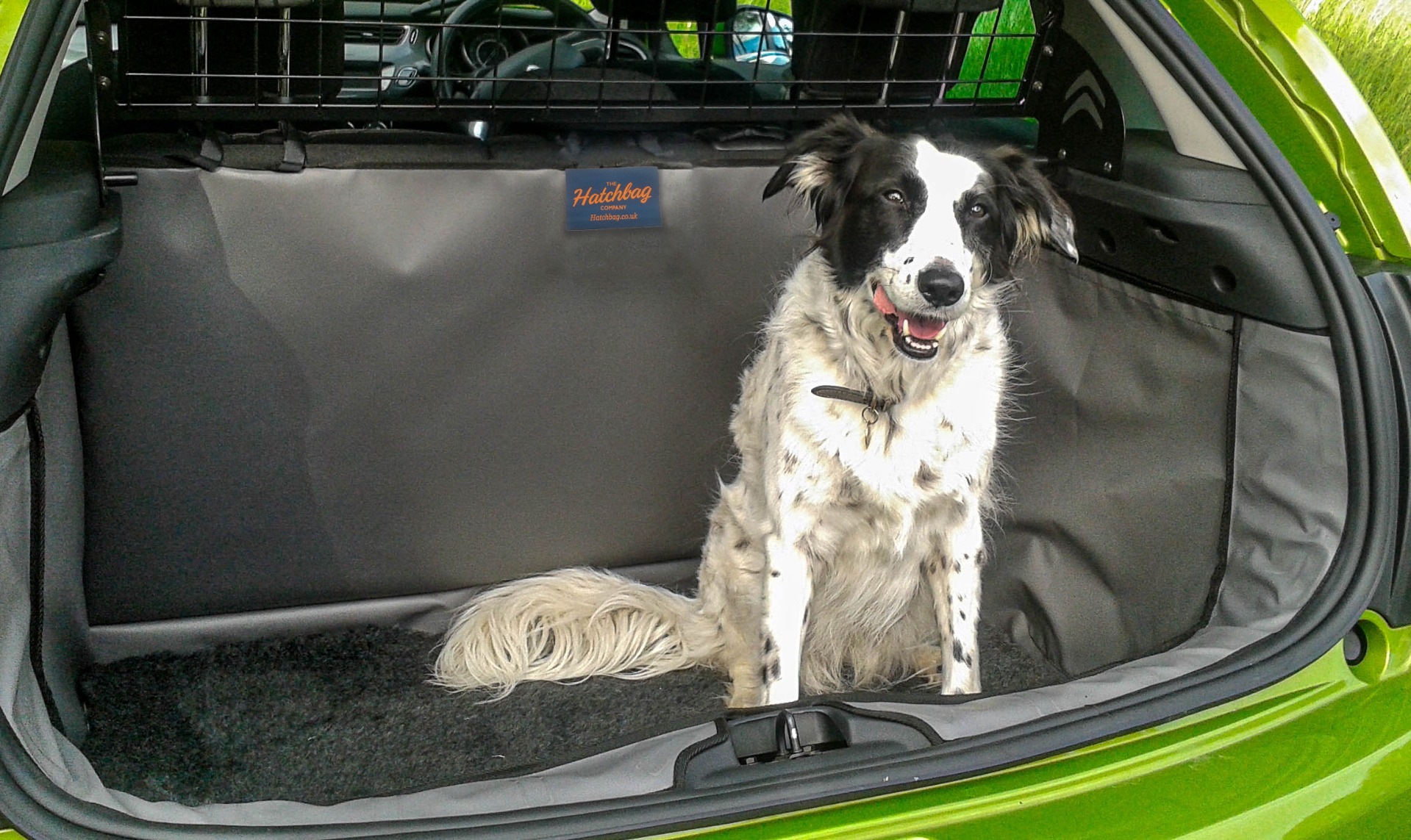
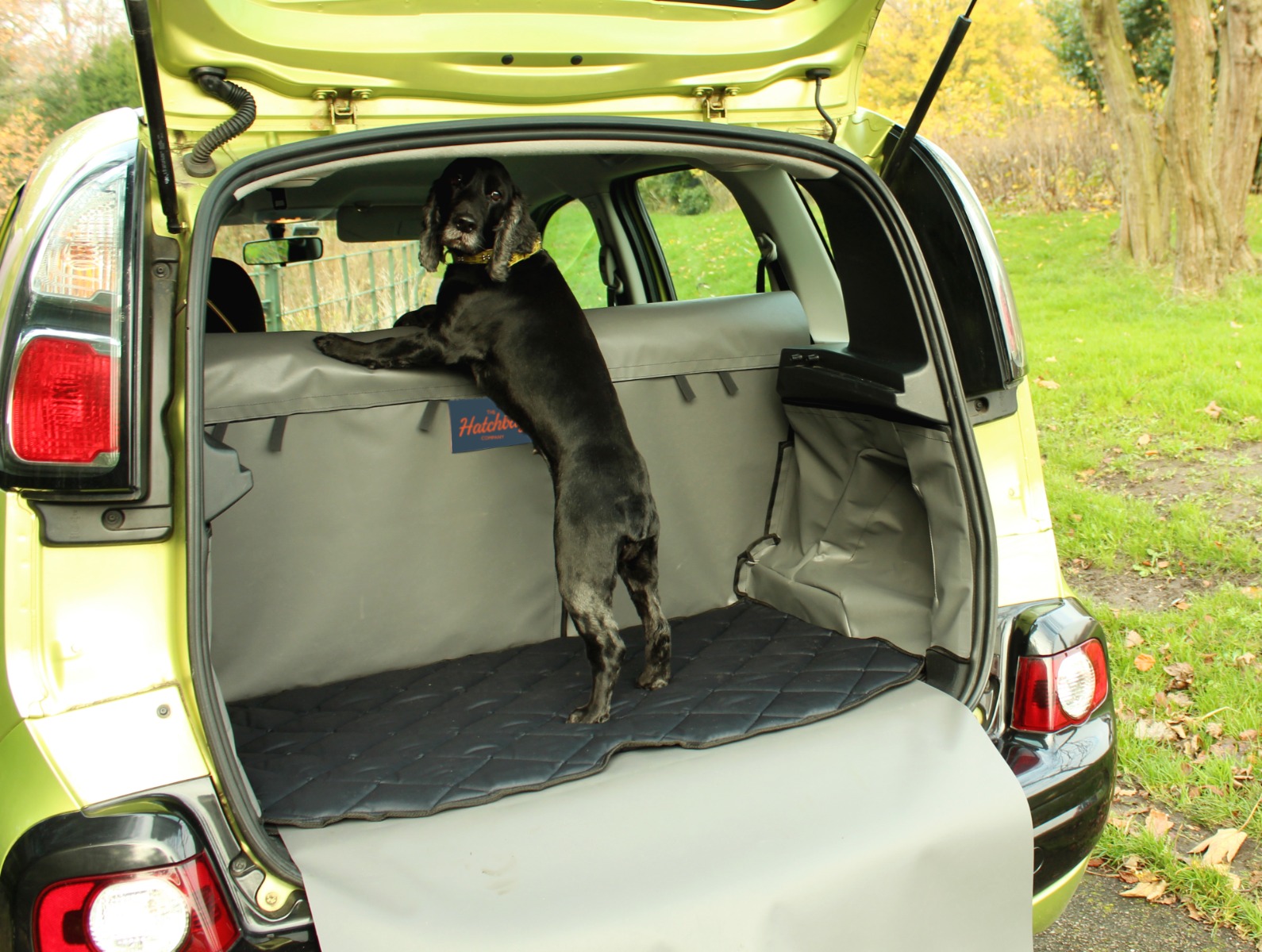
Dog owners know the drill. Winter walks mean muddy paws, wet fur, and the occasional shake that covers everything in dirty water. Without a boot liner, your carpet takes a pounding. With one, you're just wiping down a waterproof surface. The dog still has a great walk, but your car doesn't suffer for it.
Sports equipment is another challenge. Football boots caked in mud. Rugby kit that's been out in the rain. Swimming bags with wet towels that always seem to leak. All of this goes in the boot, often multiple times a week. A boot liner means you can chuck it all in without worrying about permanent damage.
Then there's the general winter gear. Wellies, coats, umbrellas, scrapers, de-icer. Some of it's wet, some of it's muddy, all of it needs to go somewhere. Having a boot liner means you're not constantly stressing about whether you should put something in the boot or not. Just put it in, deal with the mess later.
For families, winter's even more demanding. School runs, weekend activities, Christmas shopping, trips to see relatives. Your boot gets a proper workout. A liner keeps everything manageable, even when you're using the car multiple times a day for different things.
How the Right Boot Liner Saves Time, Money, and Resale Value
Here's the thing about getting a boot liner sorted now: it pays for itself. Not immediately, obviously, but over the months and years you own the car.
Time savings are immediate. No more scrubbing carpet. No more hoovering up mud that never quite disappears. No more trying to get rid of smells. Just quick wipes when needed, and you're done. Over the course of a winter, that adds up to hours of your life back.
Money-wise, you're avoiding professional cleaning bills. Valeting services charge properly for deep cleaning a boot, especially if there's mould or stubborn staining. One professional clean can cost as much as a decent boot liner, and you'll probably need it done multiple times if you don't have protection.
The big saving comes at resale time. A car with a pristine boot is worth more than one with a stained, worn, smelly carpet. Buyers notice these things. They see a clean boot and think the car's been looked after. They see a tatty boot and start wondering what else has been neglected. The difference in what you can ask for the car can be substantial.
There's also the peace of mind factor, which is harder to put a price on. Knowing you can use your car properly without constantly worrying about damaging it is genuinely valuable. You can take the dog out in any weather, you can help a mate move house, you can do the big Christmas shop without stressing about leaky bags. Your car becomes more useful because you're not constantly trying to protect the boot.
Getting Ready for Winter
Winter's coming, and it's not getting any gentler. If you're going to sort out boot protection, now's the time. Once the worst of the weather hits, you'll be glad you did.
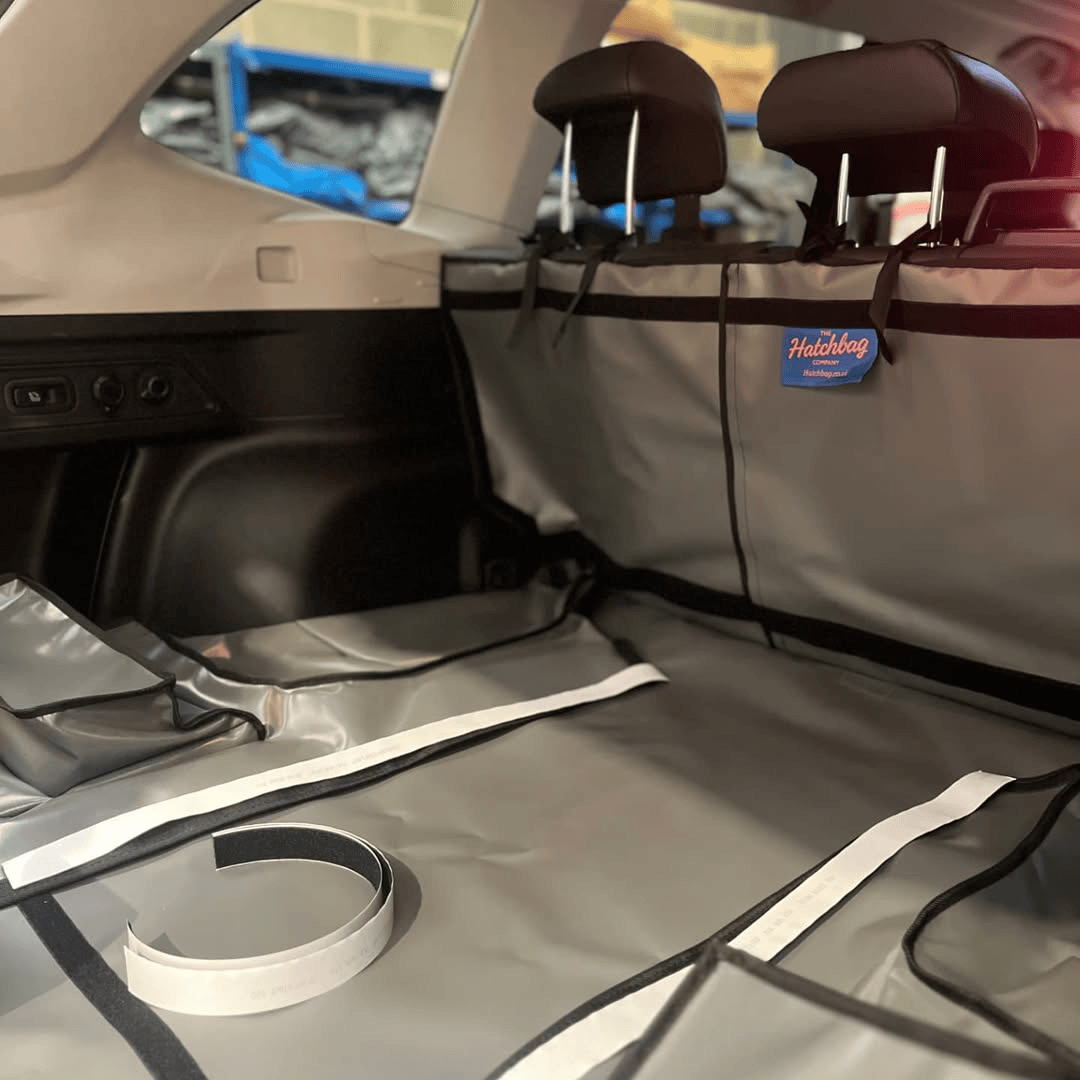
A proper boot liner gives you protection against everything winter throws at you. Mud, salt, moisture, all of it. Your boot stays clean, your car stays valuable, and you save yourself hours of cleaning. That's not bad for something that takes five minutes to fit and then just gets on with the job.
Think about how you use your car through winter. Think about the state your boot's in by March. Then think about whether you want to go through that again this year, or whether you'd rather just sort it out properly. The choice is pretty obvious when you put it like that.